Echoes of the Eternal: A Journey Through Beas Kund's Mesmerizing Embrace
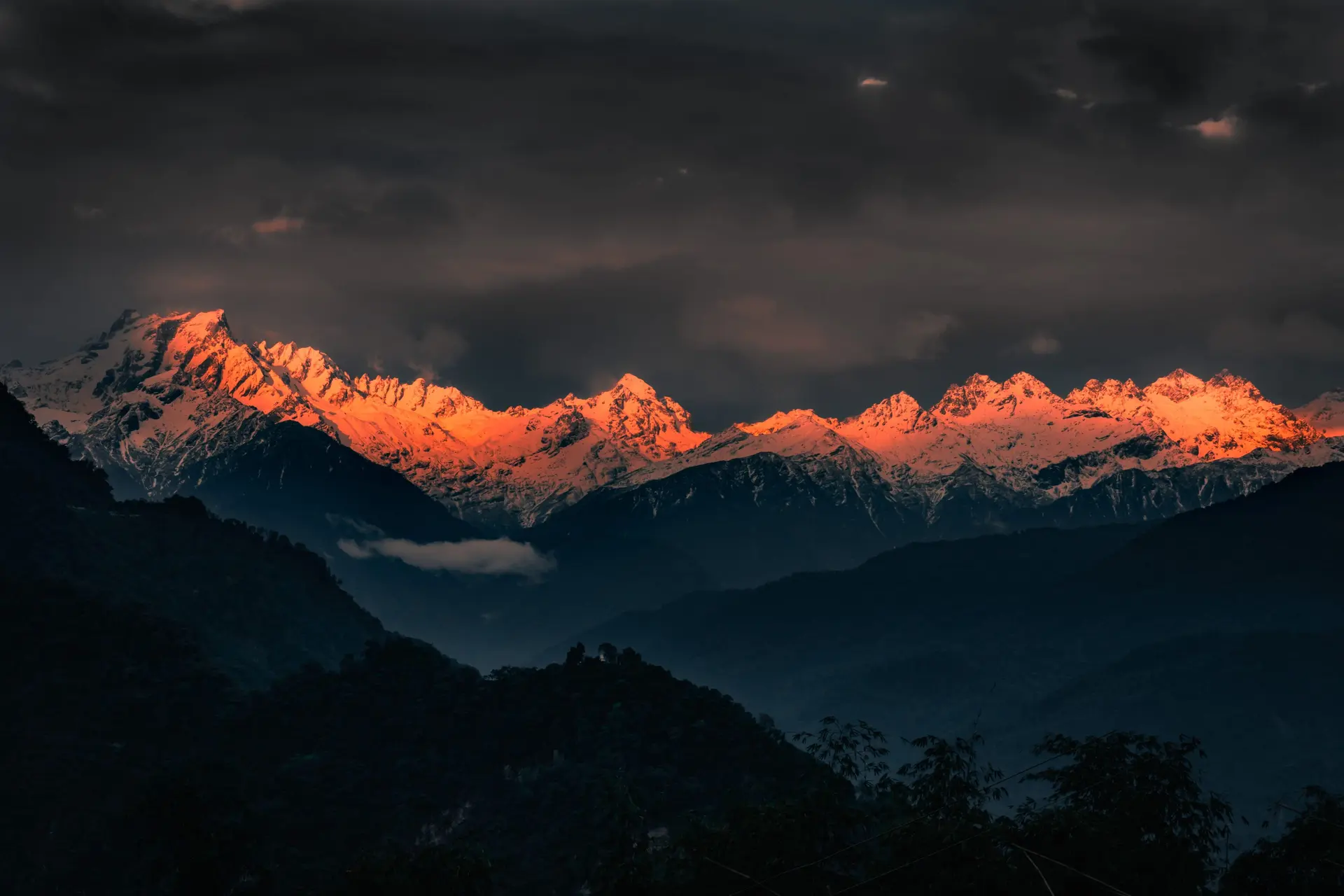
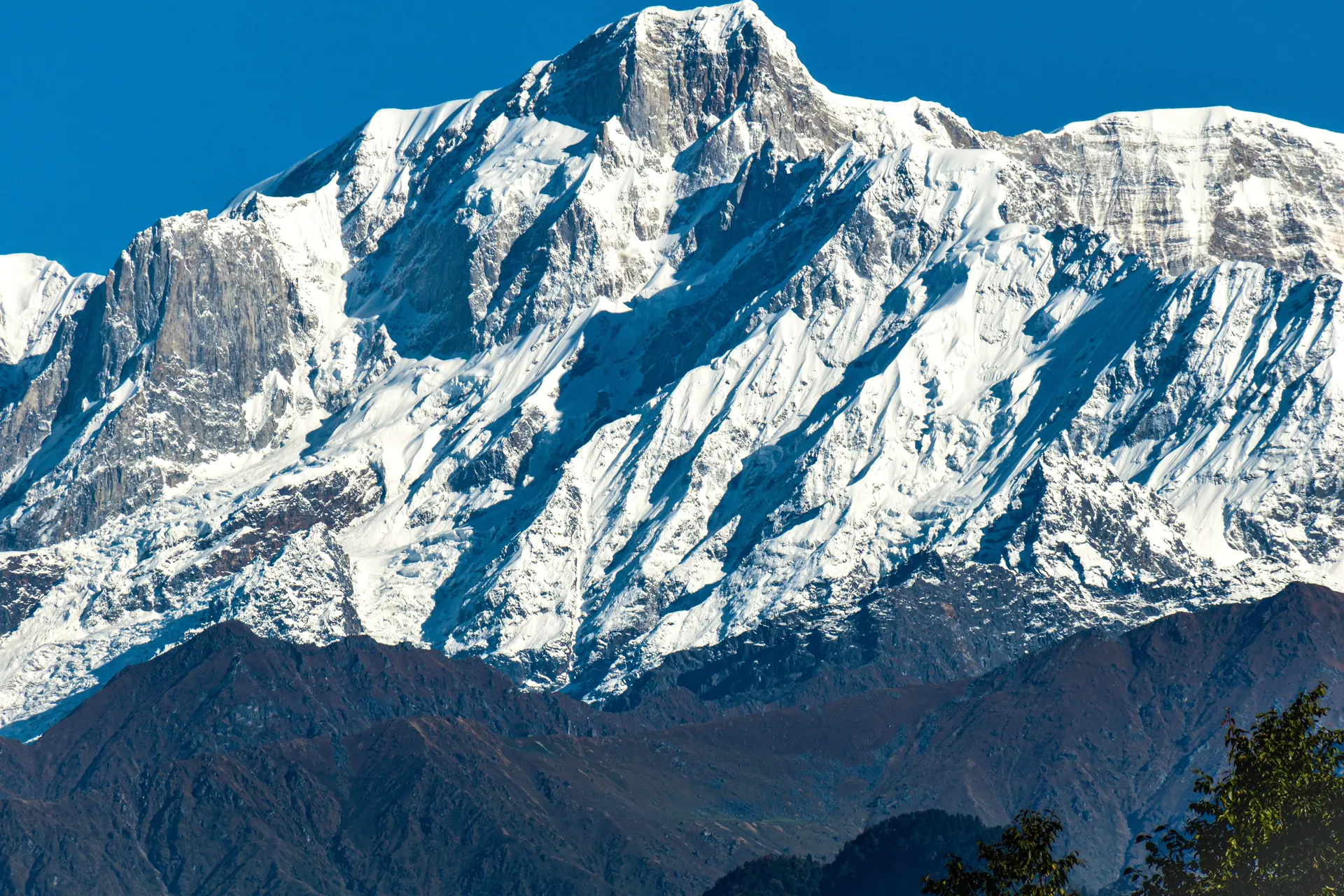
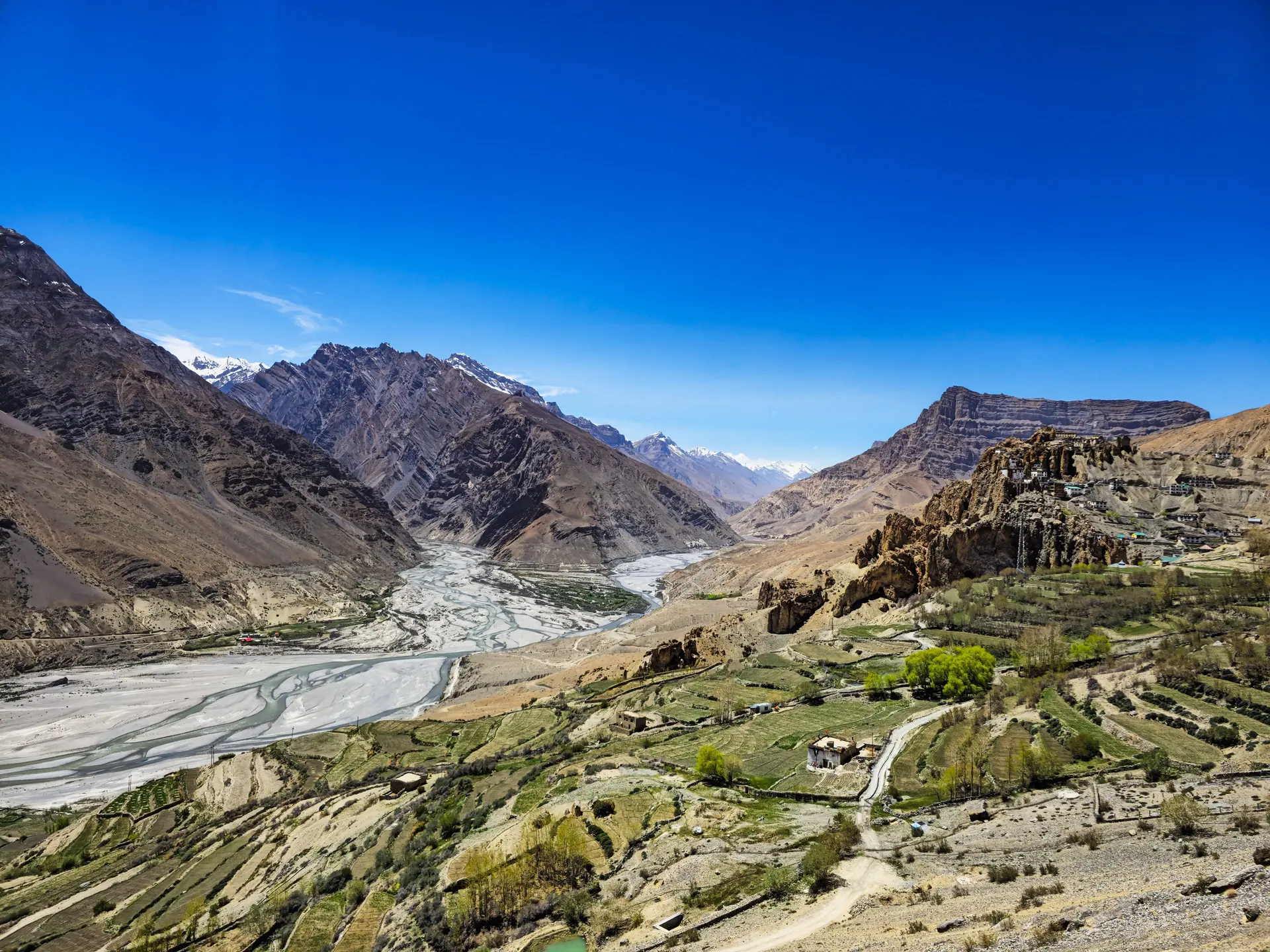
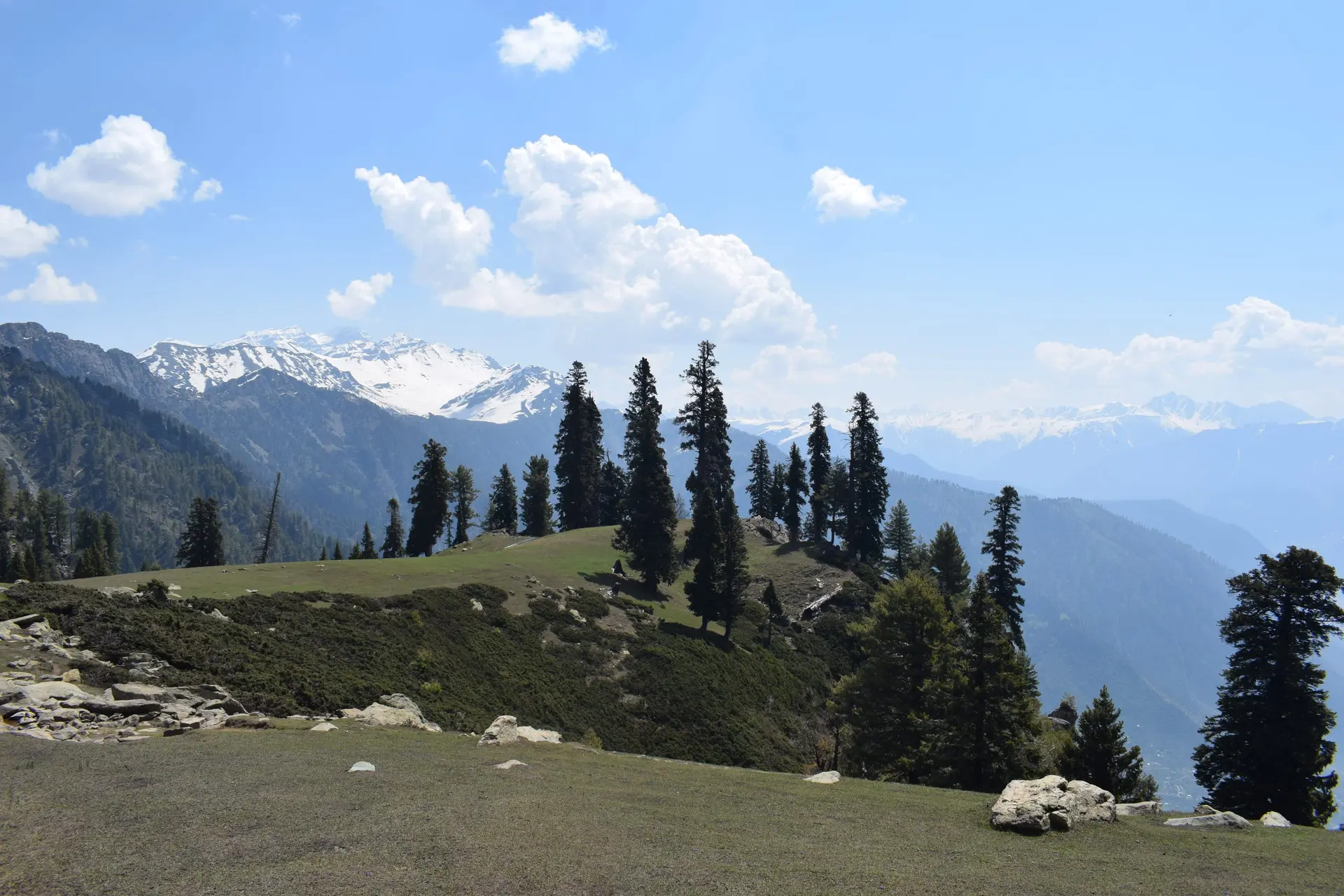
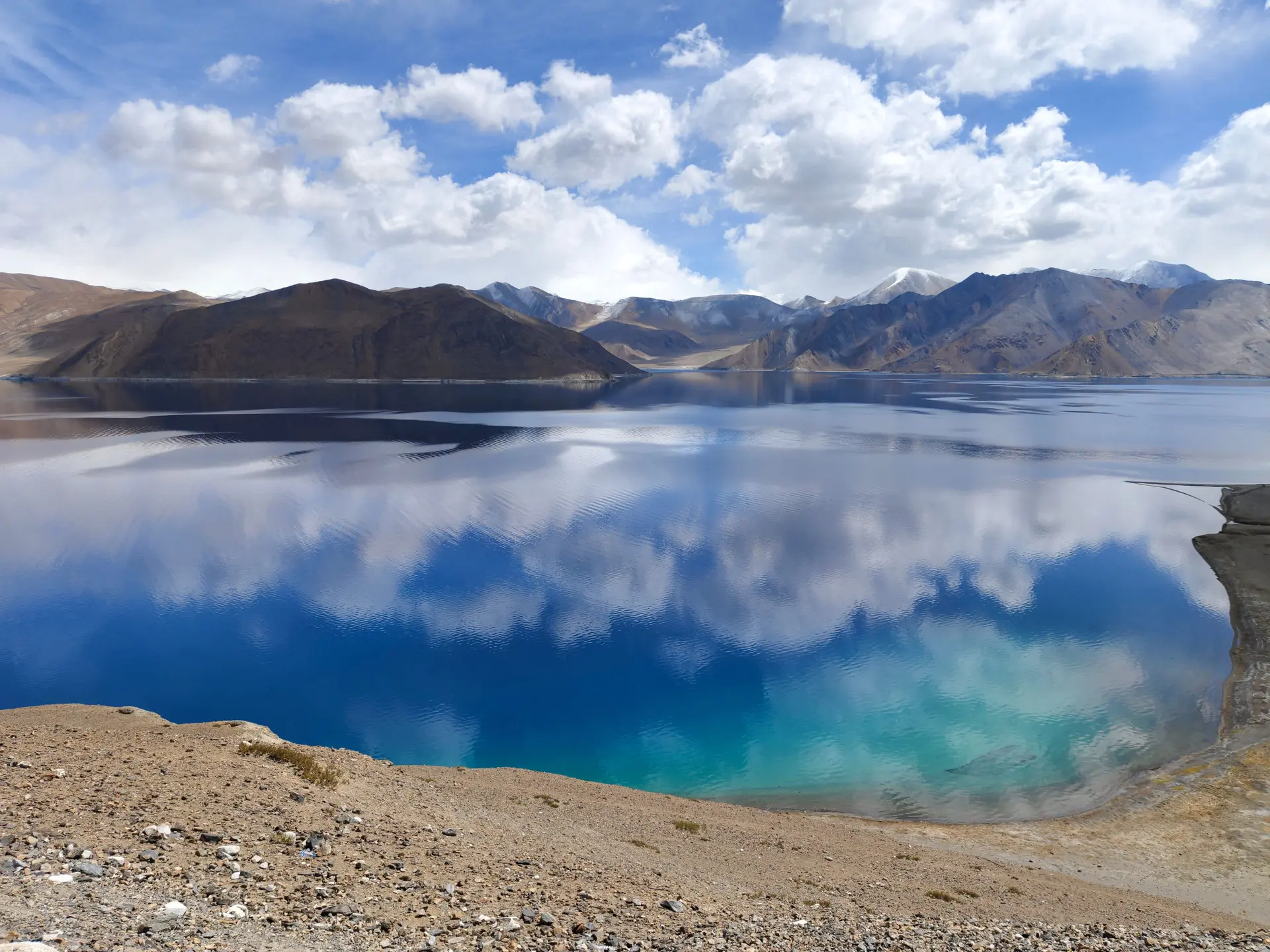
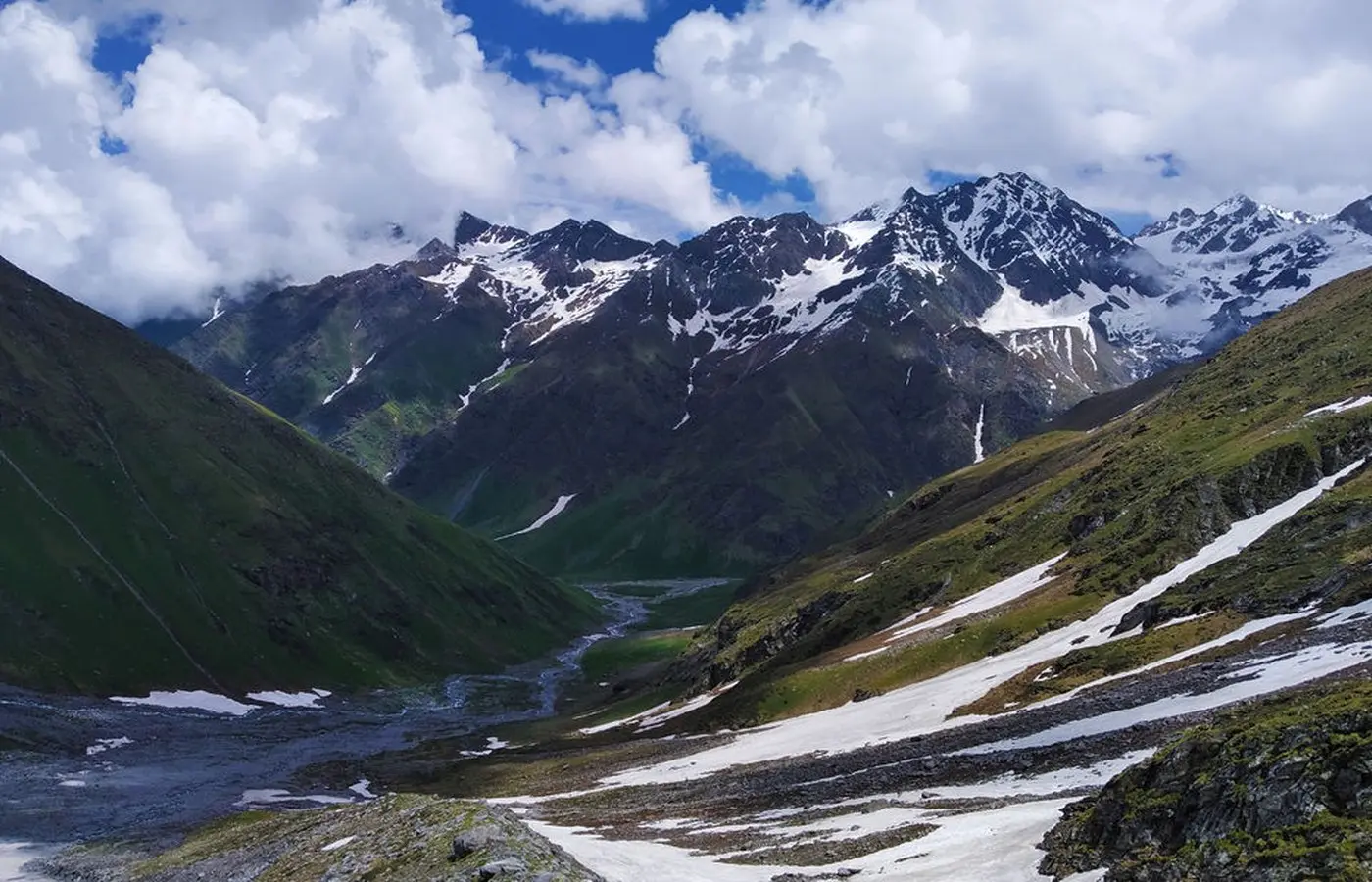
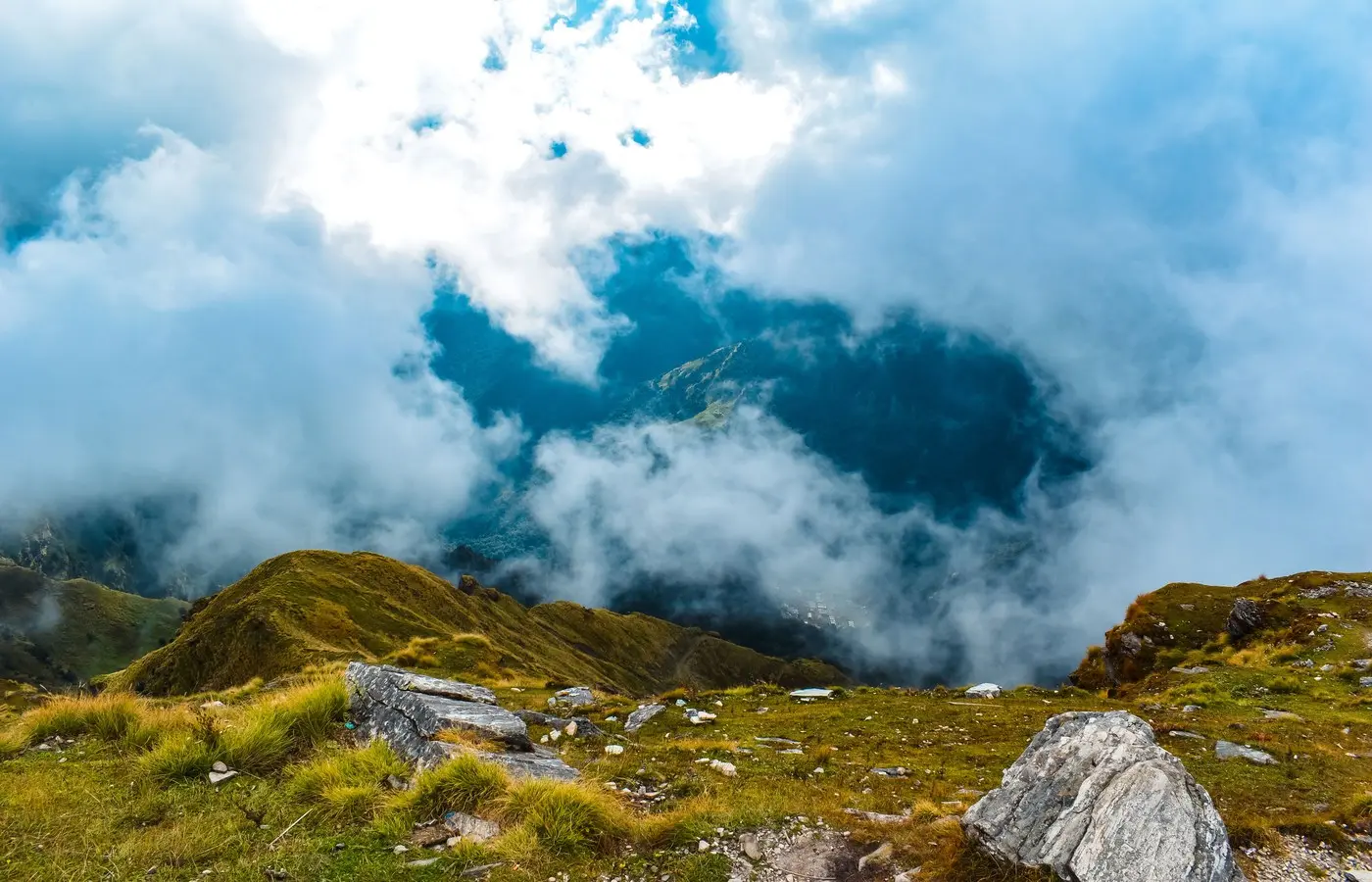
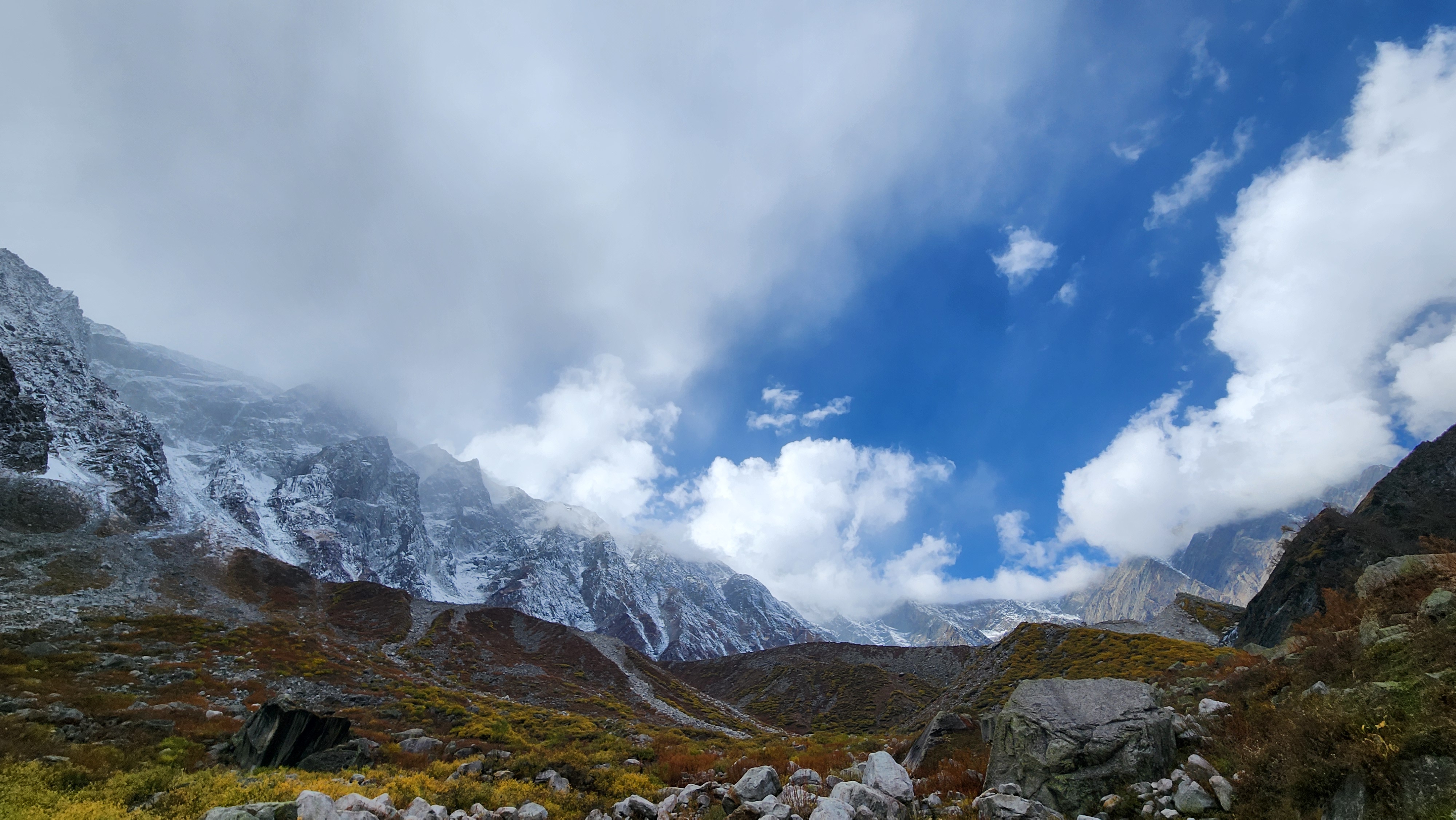
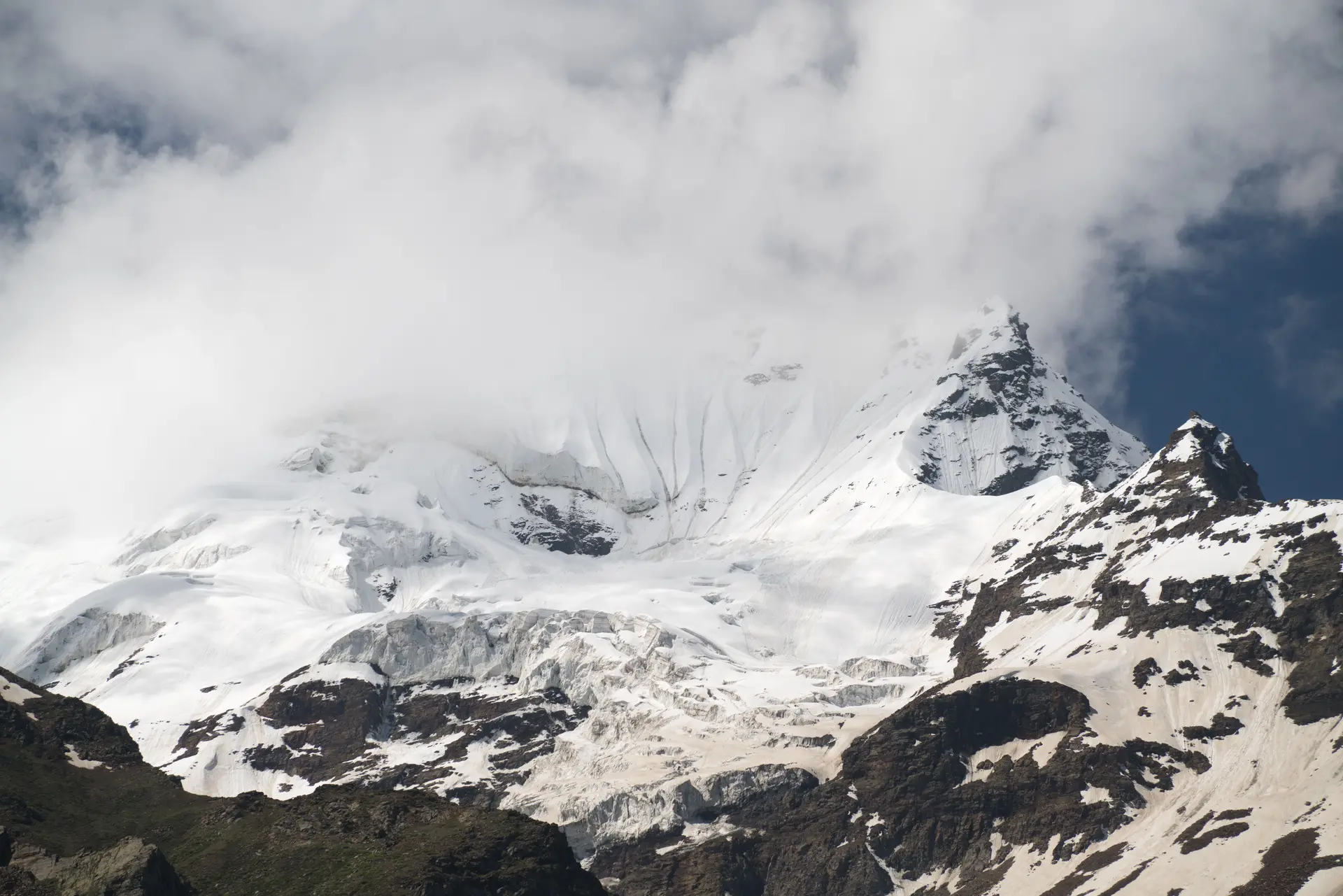
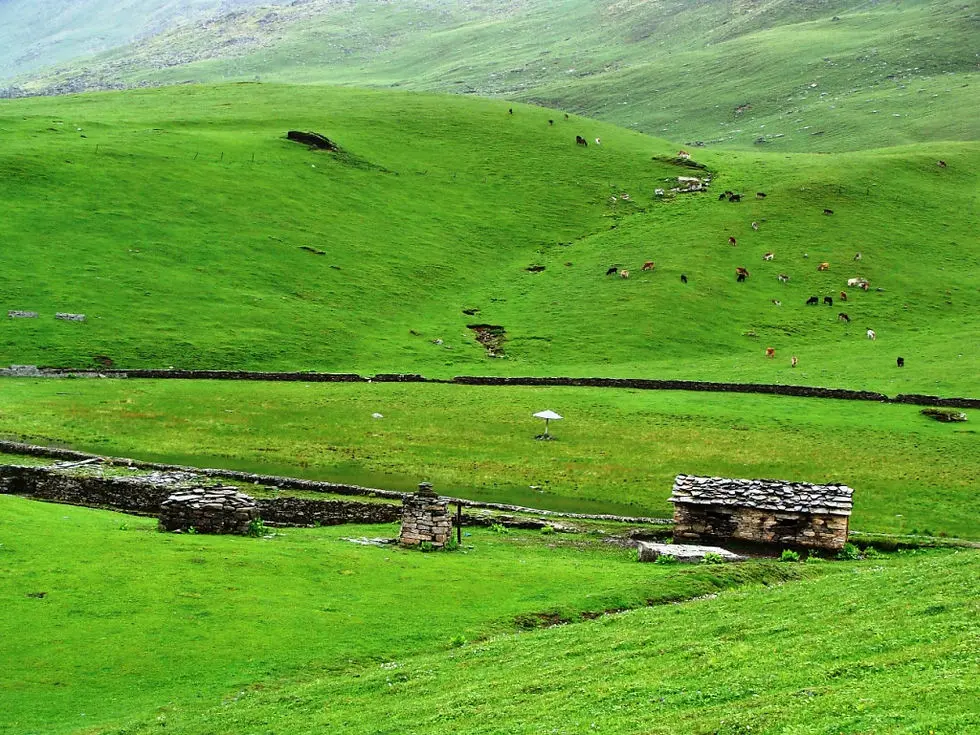
Nestled high in the majestic Pir Panjal range of Himachal Pradesh, the Beas Kund Trek stands as a timeless portal to nature's most intoxicating symphony. At over 12,000 feet, this sacred glacial lake – the legendary birthplace of the mighty Beas River – unfolds like a dream woven from ice, rock, and sky. My recent ascent to its shores left me utterly mesmerized, each vista a brushstroke of ethereal beauty that lingers in the soul like a half-remembered lullaby from childhood. The photo I've captured here freezes that magic: the turquoise waters mirroring snow-capped peaks under a vast, cerulean canvas, wildflowers nodding in the crisp alpine breeze, and the faint haze of distant glaciers evoking a profound nostalgia for simpler, untamed times.
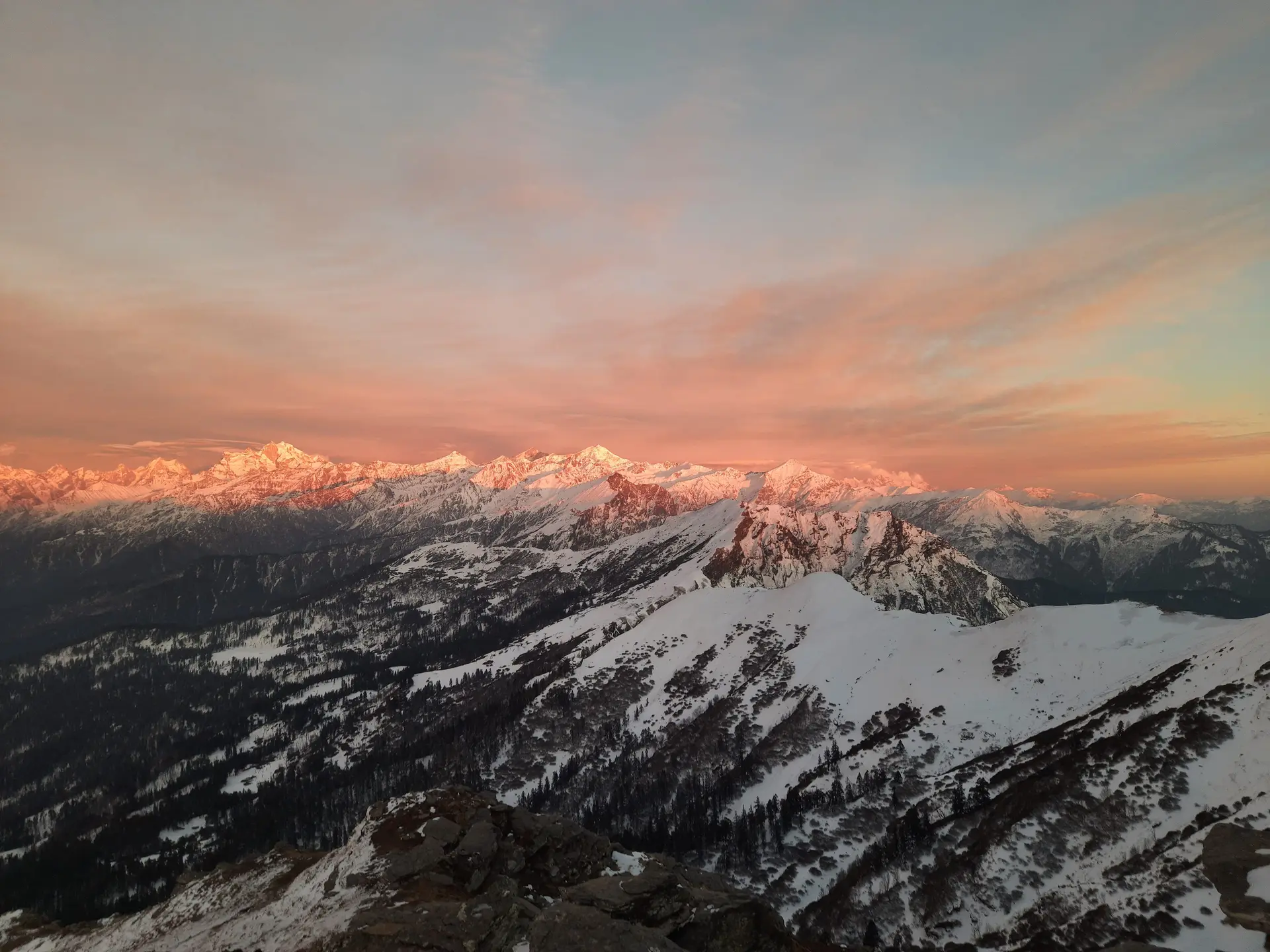
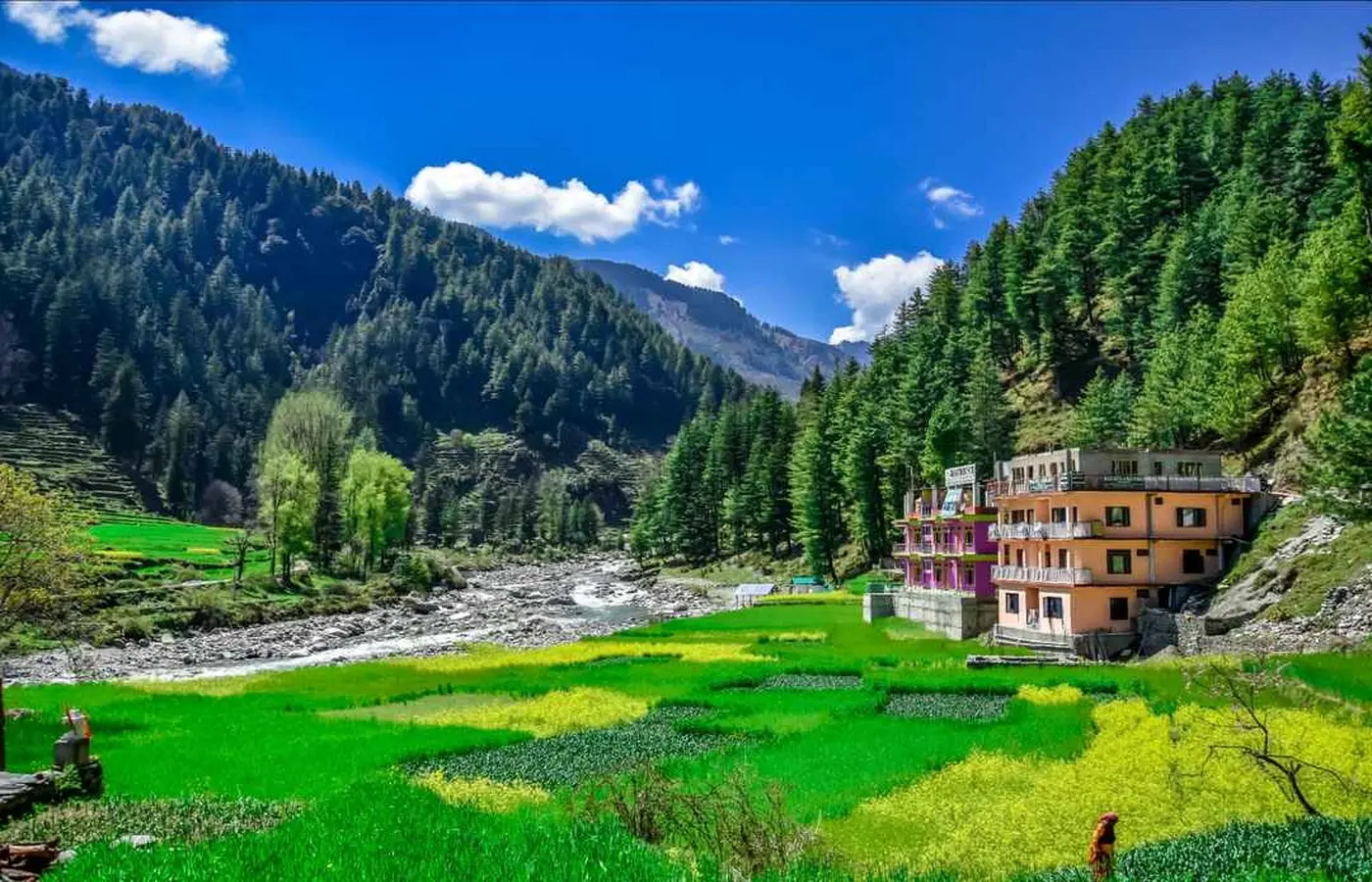
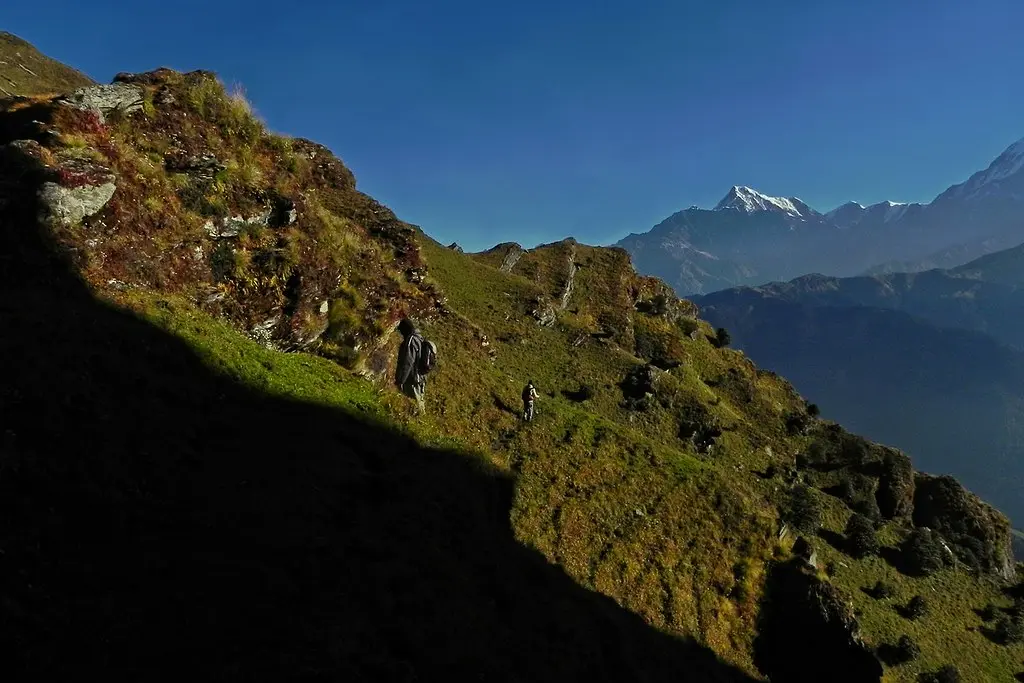
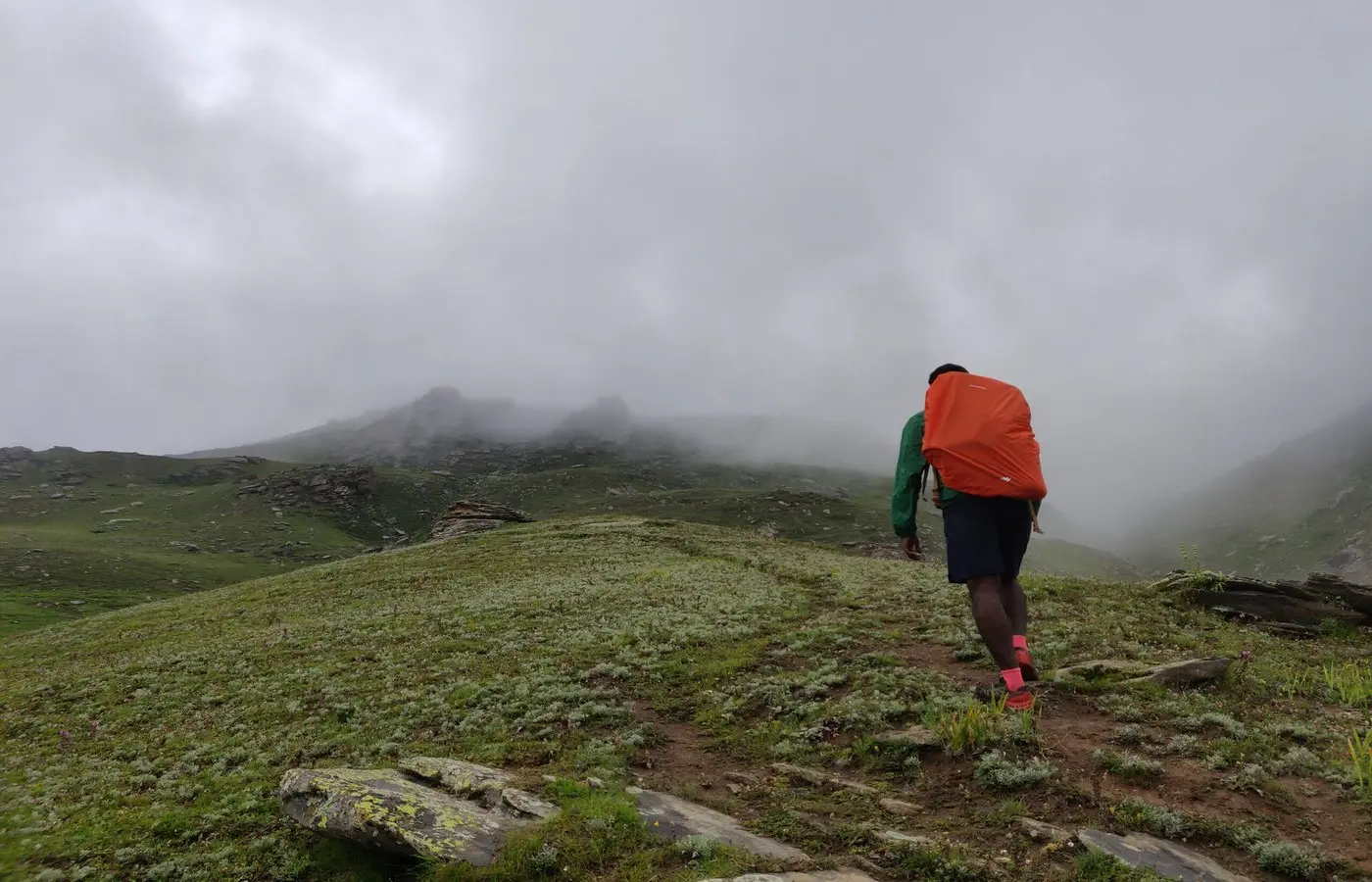
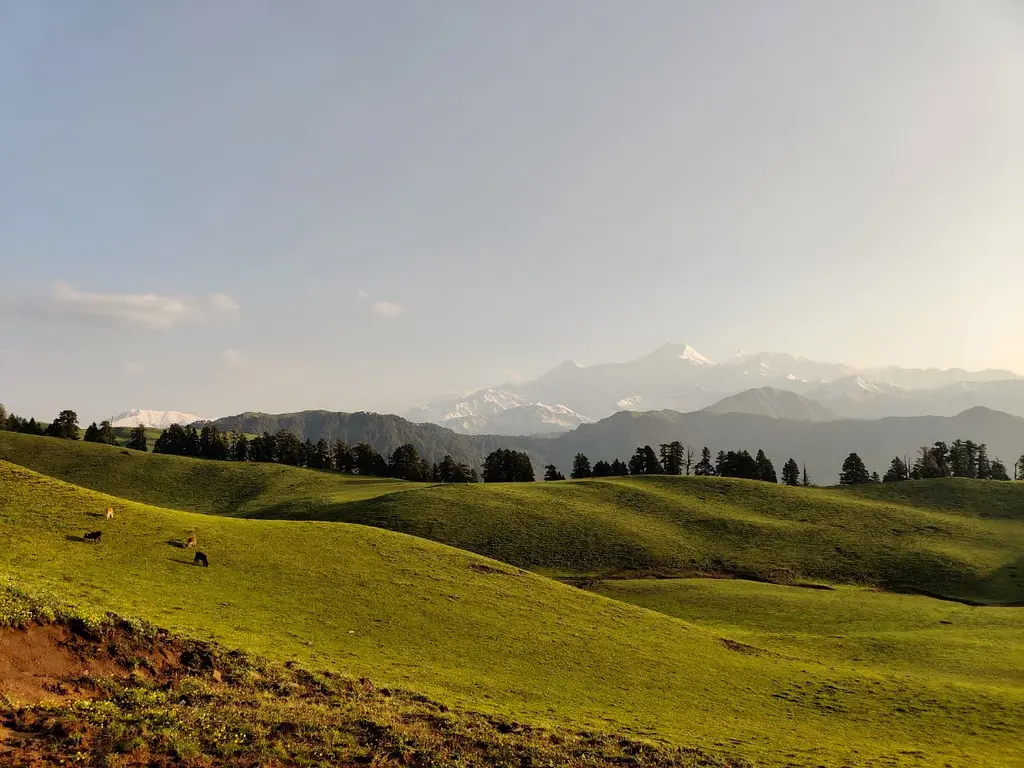
Embarking on the trek from the quaint village of Solang Valley near Manali, the path begins innocuously enough – a gentle uphill through lush meadows carpeted in vibrant greens and bursts of rhododendrons. But as altitude bites, the landscape transforms. Pine forests give way to barren moraines, sculpted by millennia of glacial fury. The air thins, sharpening every sense; the crunch of gravel underfoot, the distant roar of meltwater cascades, the piercing cry of a golden eagle soaring overhead. It's here, amid this raw wilderness, that the beauty becomes hypnotic. Jagged ridges pierce the horizon like ancient sentinels, their flanks glowing golden at dawn, while twilight drapes them in indigo shadows. Beas Kund itself is a jewel: a compact, crystalline pool fed by the glacier's tears, its surface so still it reflects the heavens with flawless precision. Standing there, rod in hand (for the trout are legendary), I felt the earth's pulse – a mesmerizing dance of creation and erosion.
Yet, beyond the visual splendor lies a deeper nostalgia, a pull toward the primordial. Beas Kund isn't just a trek; it's mythology incarnate. Legends whisper that Sage Vyas meditated here, birthing the Beas River from his kamandalu (water pot) to quench the thirst of the Pandavas during their exile. The name "Kund" – meaning pool – evokes ancient Hindu lore, where such high-altitude lakes are portals to the divine. In my photo, that spiritual aura is palpable: the solitary boulder in the foreground, weathered by eons, stands as a silent witness to countless pilgrims and trekkers who've stood in awe. It stirs memories of boyhood adventures – building forts in Himalayan foothills, chasing fireflies under starlit skies, or listening to grandfather's tales of gods and glaciers. In our hyper-connected world, this place is a nostalgic refuge, stripping away digital noise to reconnect with the elemental self.
The trek's allure deepens with its biodiversity. Hardy alpine flora clings to life: blue poppies, potentillas, and cobras of cobra lilies unfurl in summer, painting the stark slopes in defiant color. Fauna thrives too – Himalayan blue sheep (bharal) nimbly scaling cliffs, elusive snow leopards in the shadows (though I was blessed only with marmot sightings). The changing seasons amplify the mesmerization: monsoons cloak it in mist-shrouded mystery, autumn in fiery oaks, winter in a frozen wonderland. My visit in late spring captured peak bloom, the photo's wildflowers a nostalgic nod to nature's resilient cycles.
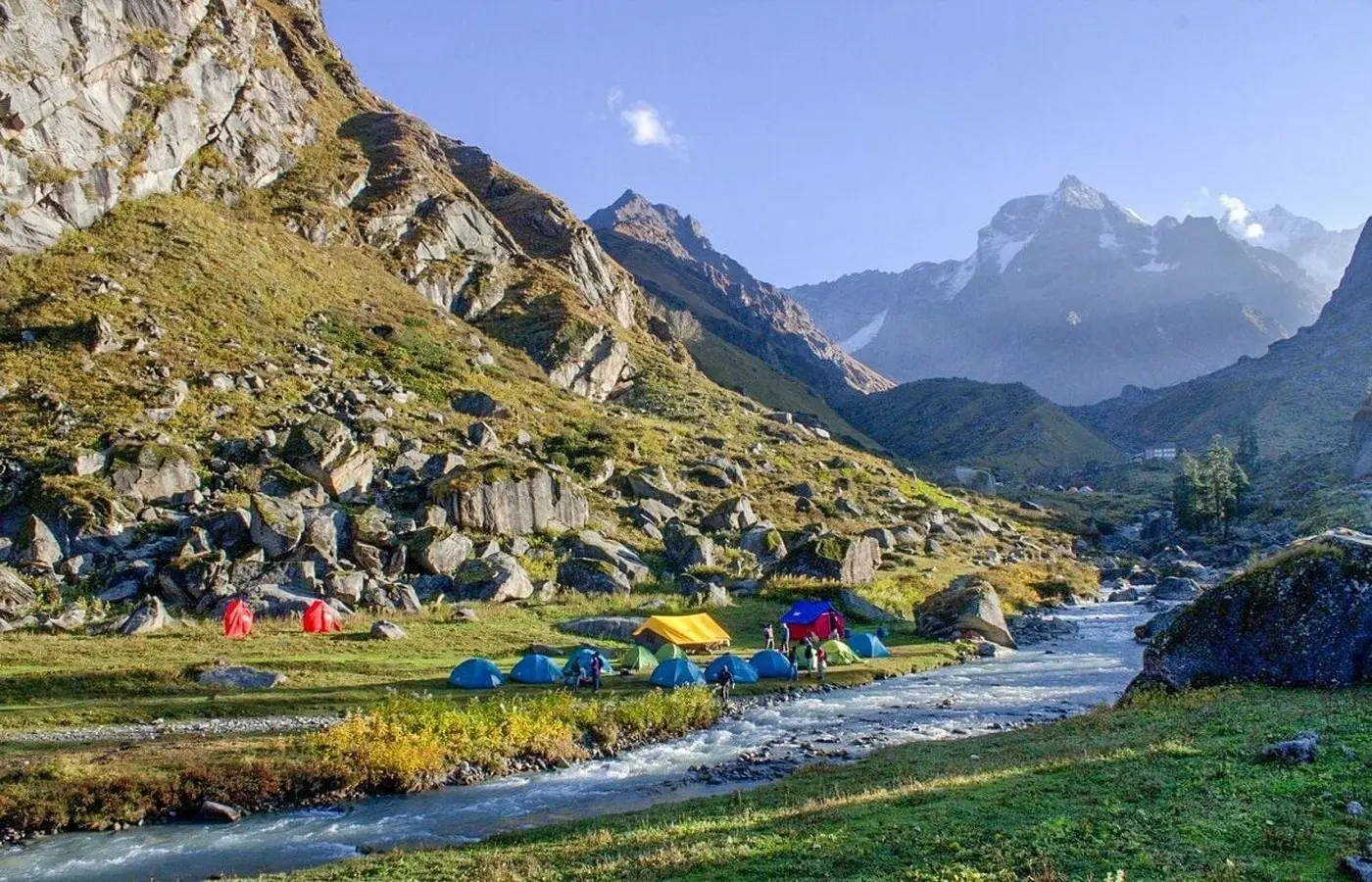
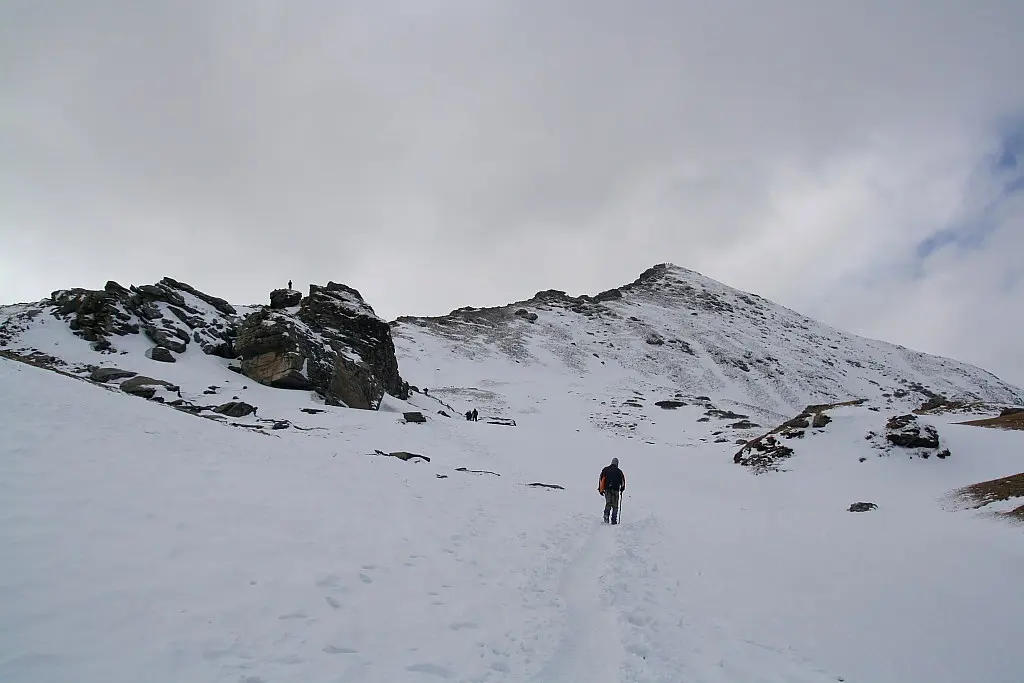
Challenges forge the reward. The 16-km round trip demands fitness; acclimatization is key to dodge acute mountain sickness. Steep ascents over loose scree test resolve, but each labored breath yields panoramas that humble the spirit – the serpentine Beas Valley snaking below, Old Manali's twinkling lights a distant memory. Campsites at Dhungri or Bakarthach offer starry reprieves, where the Milky Way arches like a river of diamonds, evoking nostalgic nights under canvas with family.
Beas Kund's beauty is fragile. Climate change gnaws at the glacier, shrinking the kund's waters; tourism's footprint grows. Yet, this only heightens the urgency to visit mindfully – leave no trace, tread lightly. My photo isn't just a snapshot; it's an invitation, a nostalgic call to arms for wanderers. It reminds us that true beauty lies not in conquest, but surrender – to mountains that have stood eternal, teaching humility amid their mesmerizing grandeur.
an Ettiq member