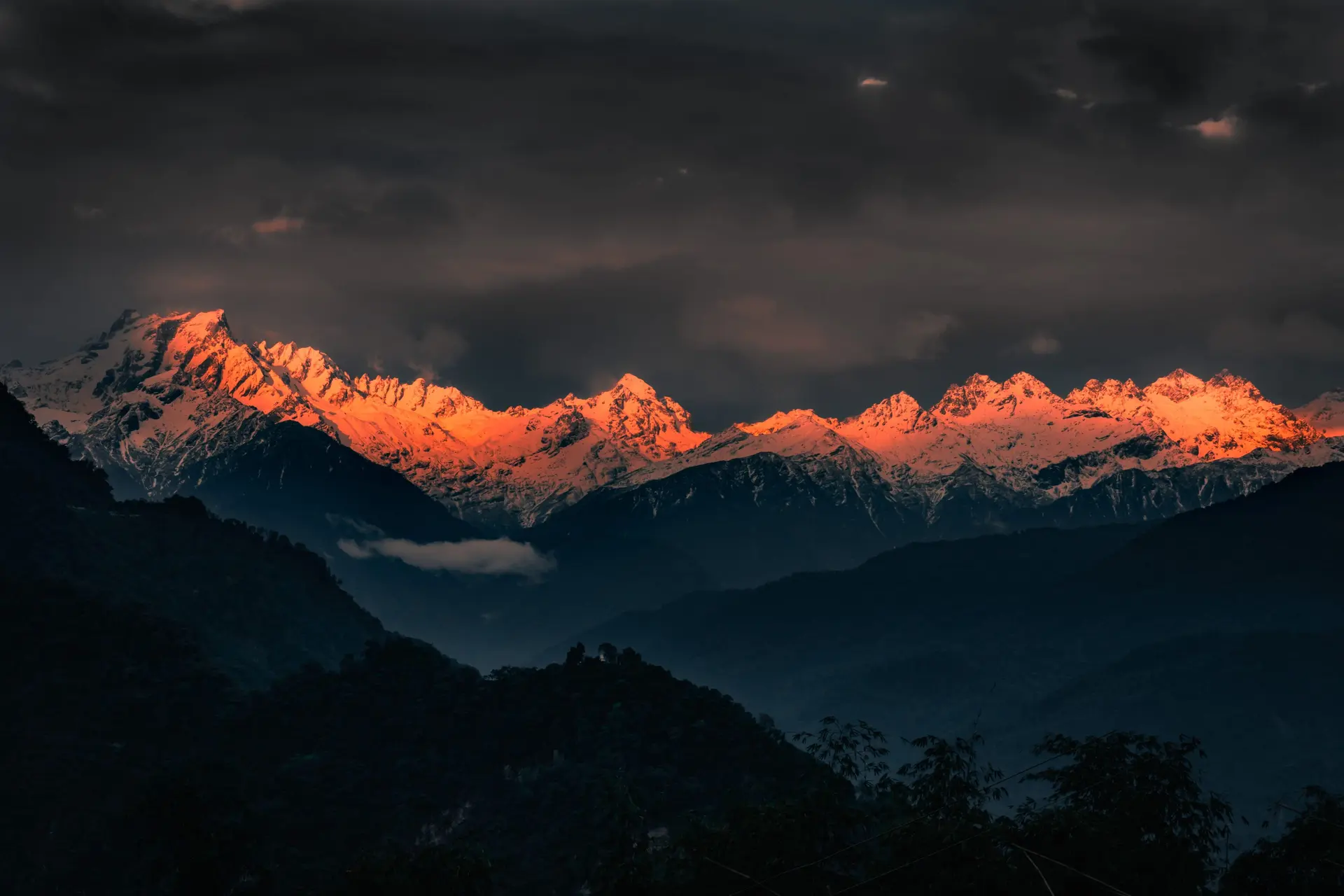
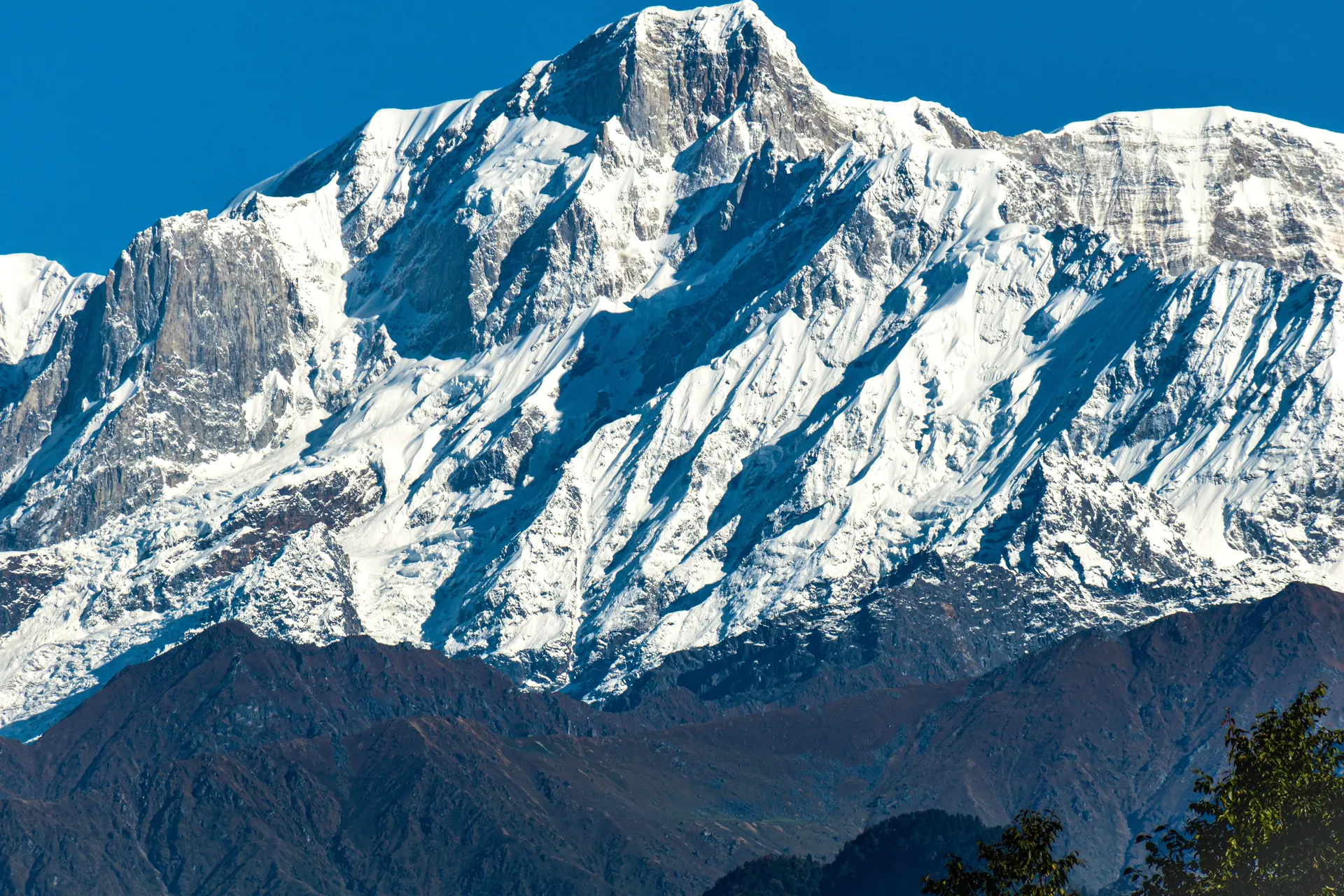
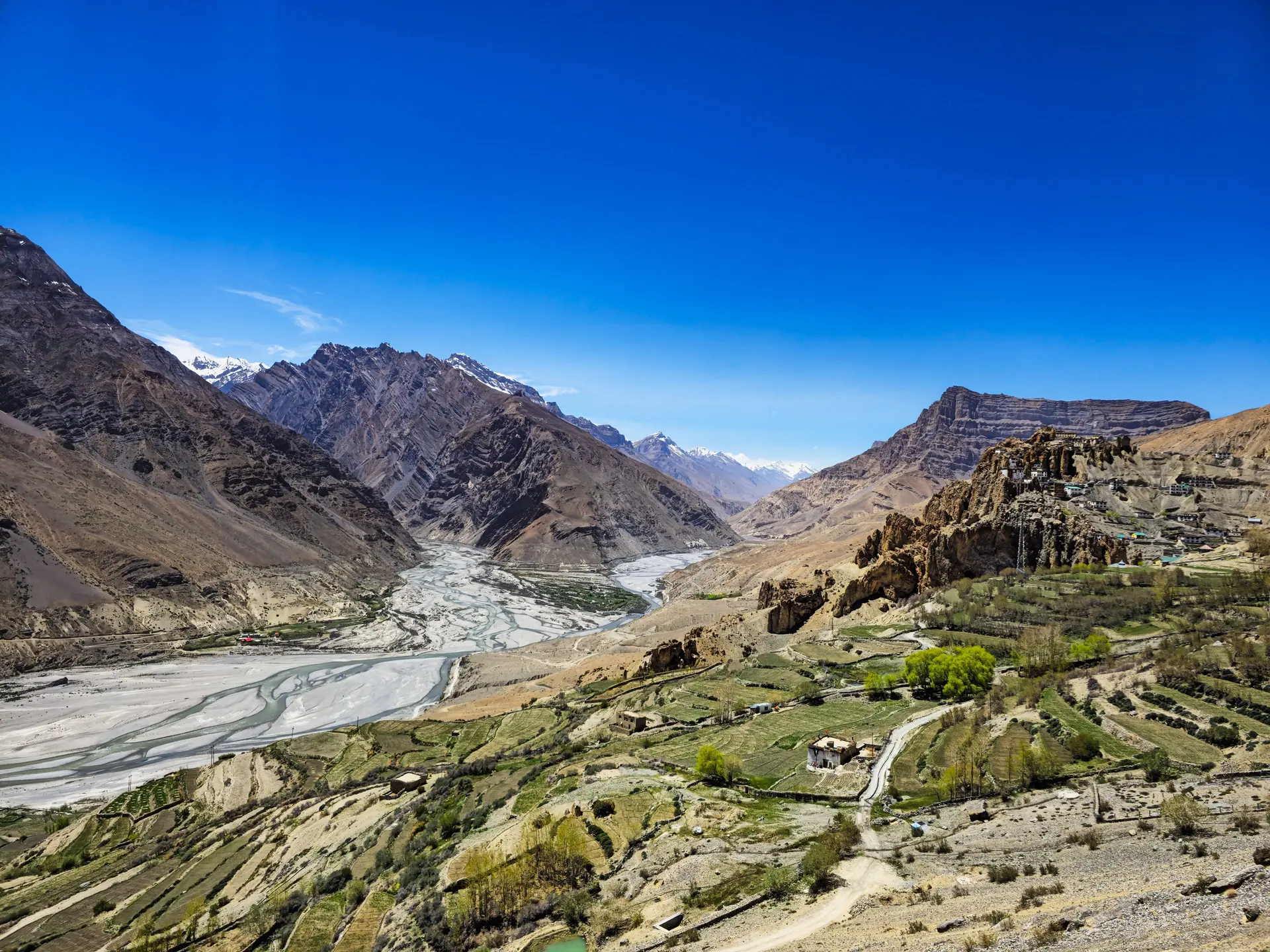
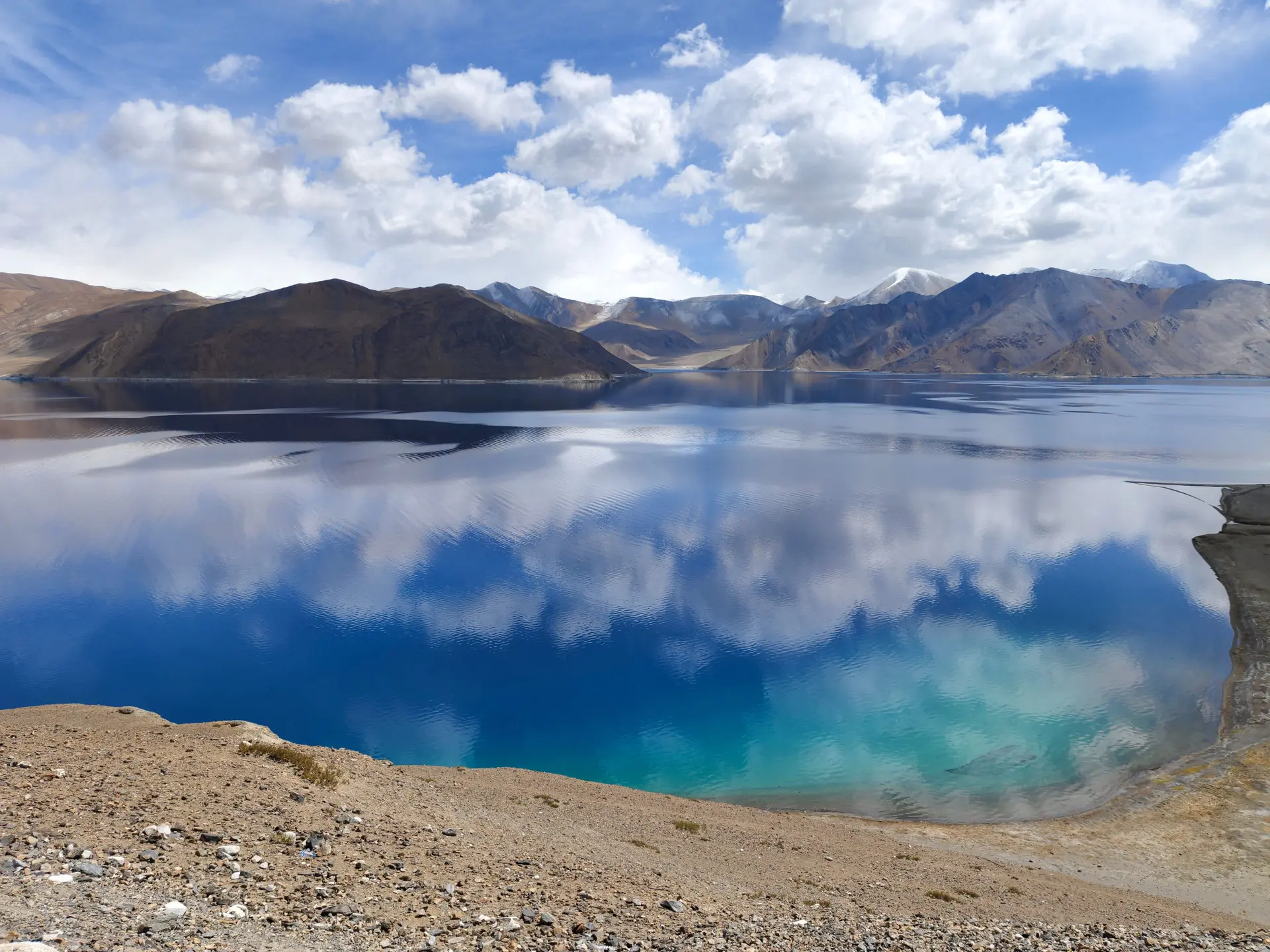
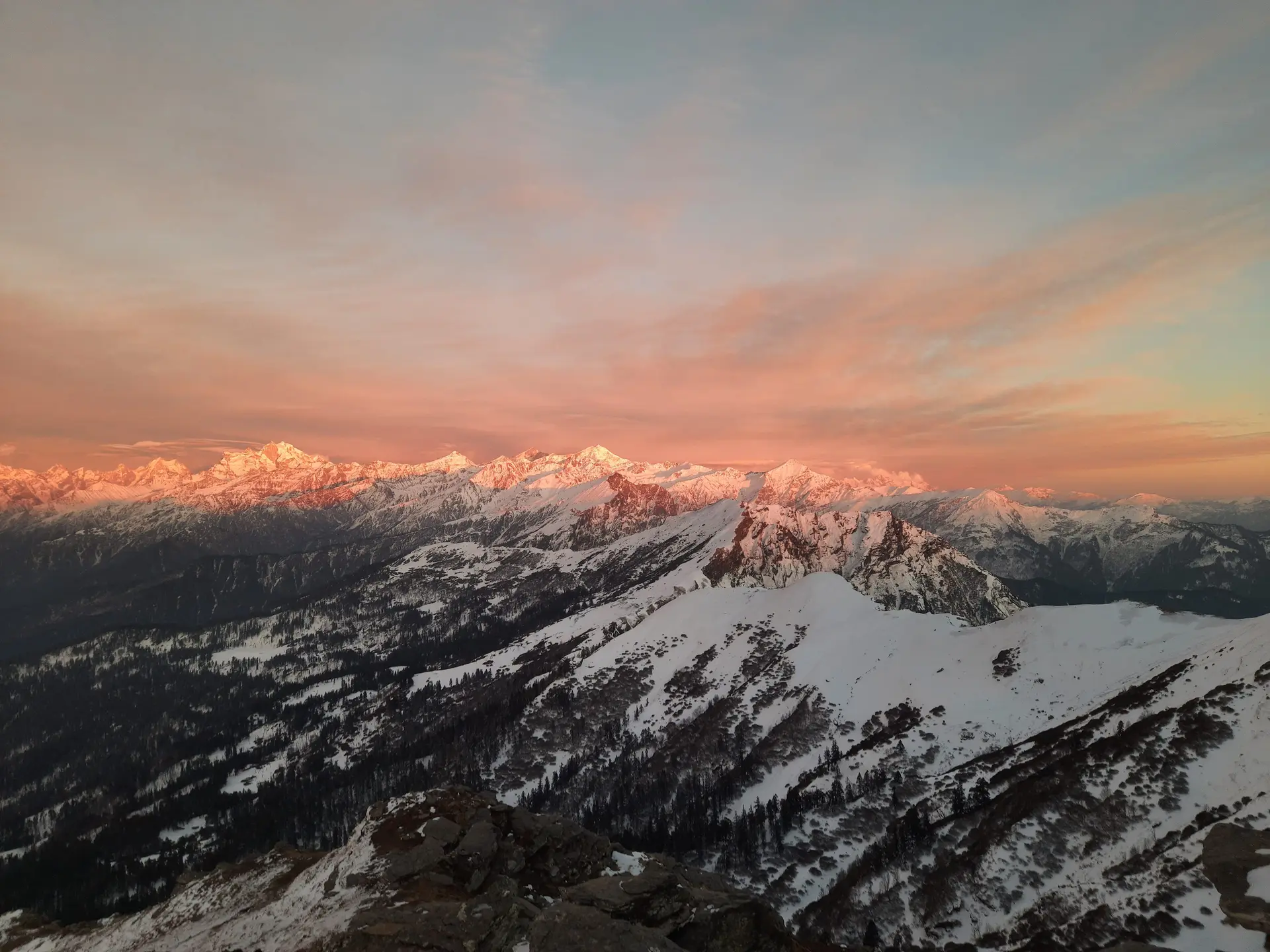

UNESCO World Heritage. India's most biodiverse Himalayan park, and almost nobody goes.
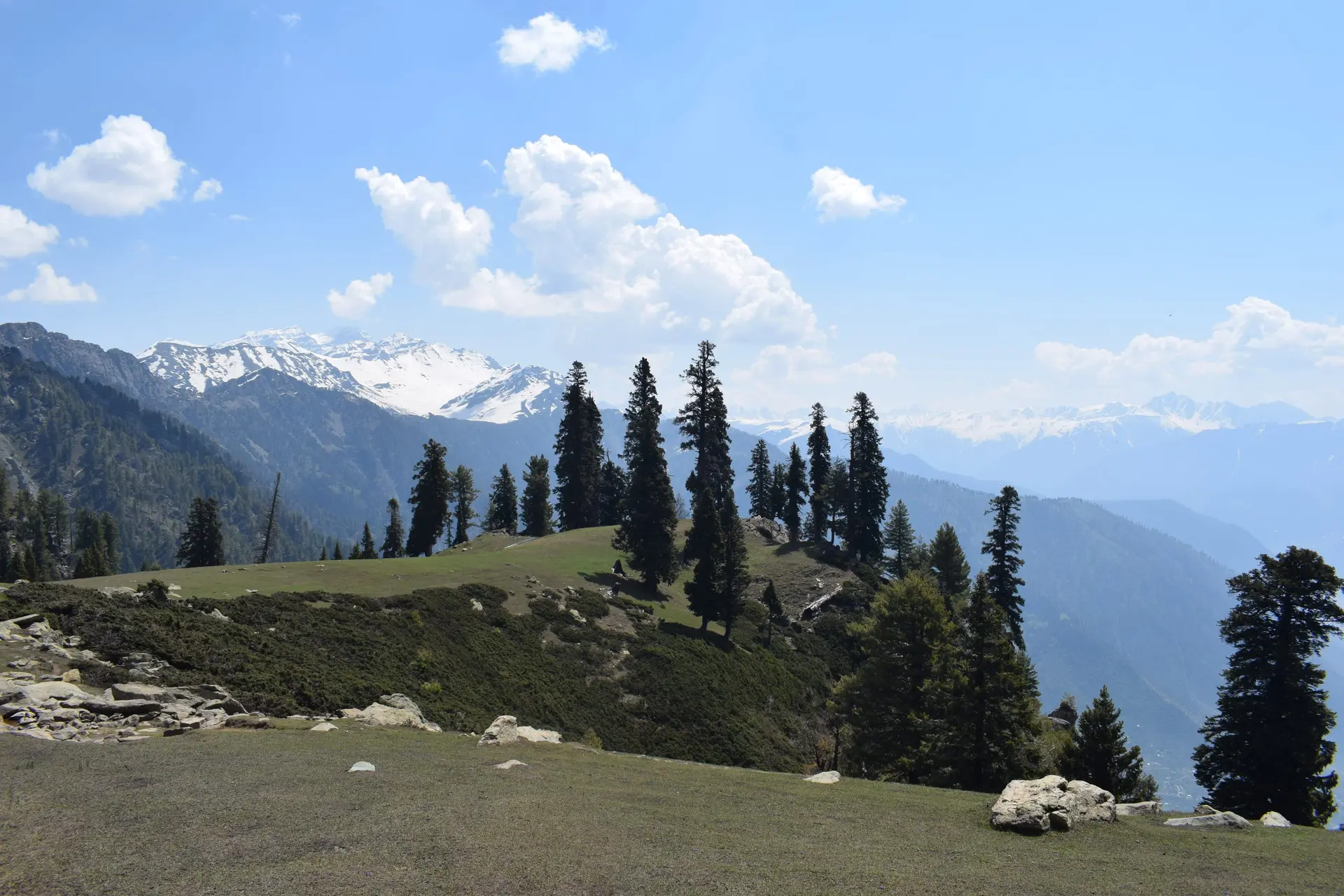
Great Himalayan National Park is a UNESCO World Heritage Site, one of India's best-preserved alpine ecosystems. This trip takes you through the Tirthan Valley, past the park entrance, to Shilt Hut at 3,200m. You might see Himalayan tahr, monal pheasants, and if incredibly lucky, a snow leopard. The forest is dense cedar and oak. It's quieter than any trek in Himachal.
The drive from Bhuntar follows the Tirthan River upstream, the valley narrowing as the road climbs into the Kullu hills. Gushaini is the last village before the Great Himalayan National Park boundary, a cluster of guesthouses and apple orchards. Your Ettiq guide handles the permit check at the forest office while the group settles in. An orientation walk along the Tirthan, the water clear and cold, the first Himalayan tahr tracks visible on the riverbank. Dinner at the guesthouse, the forest dark outside the windows.
Enter the park buffer zone through a forest gate. The trail follows the Tirthan River through cedar and oak forest, the sound of the water constant. Rolla is a clearing at 1,900m where the park authorities maintain a basic campsite. First wildlife spotting, a monal pheasant crossing the trail, its iridescent blue and green feathers catching the light. Camp is set by the river, and the forest sounds at night are louder than you expect. Your Ettiq guide describes the core zone ahead.
Core zone entry with your authorized GHNP guide. The trail climbs steeply through dense forest, the trees changing from broadleaf to conifer as you gain altitude. Shilt Hut at 3,200m is a basic stone shelter in an alpine meadow, surrounded by peaks that rise straight from the treeline. The view from the hut is the entire Tirthan valley, the park stretching unbroken in every direction. The air is thin and cold. Dinner is simple, cooked on a kerosene stove, and eaten in the hut by candlelight.
A full day in the core zone. Wake before dawn, walk to the ridge above the hut, and sit still. The meadow comes alive at first light, Himalayan tahr grazing on the slopes, a golden eagle circling overhead, the whistling of marmots from the rocks. After breakfast, a walk through the alpine meadow to a hidden lake, the water reflecting the peaks that surround you. No phone signal, no other humans, just the park doing what it has done for millennia. Return to Shilt Hut for the final night.
Descend through the park, the forest getting denser and warmer as you lose altitude. Gushaini by afternoon, a hot meal, and the drive back to Bhuntar. The park recedes in the distance, but the memory of the meadow at dawn stays.
Drive from Mandi/Kullu to Gushaini (3 hrs). Trail from Gushaini inside the national park.
Moderate trek. Max 3,200m. Fitness: walk 10 km. Prior trekking recommended. National park permits required.
Is there a guarantee of seeing wildlife?
No, this is a wild, undisturbed ecosystem, not a safari park. But the Himalayan monal (pheasant) and various raptors are very commonly seen. Larger mammals are possible.
Meeting point
Bhuntar Airport / Kullu Bus Stand, Himachal Pradesh
Trip ends
Bhuntar Airport / Kullu Bus Stand, Himachal Pradesh
Minimum age
16 years
Fitness required
Moderate, some elevation in core zone
Starting from
₹16,000
per person, all inclusive
from ₹16,000